
MAAK Architects
Why we make: taking an idea from the drawing board to the building site through honest craft, practical care, and teamwork.

Why we make

Chapter 01·The Origin of our Name & Philosophy

Maak Means to Make

Maak Architects + Makers is an architecture studio built around the simple act of making — bringing about the physical manifestation of an idea.

To make is to take something imagined and turn it into something real: a space, a structure, a detail, a piece of furniture, or a place where life can happen. Construction, or “making,” involves planning, people, time, money, skill, and care. For many clients, it is one of the biggest investments they will ever make. In most cases, creating spaces to live in means arranging building materials in a way that will last for a very long time. That is why we believe the process matters.

"To make is to take something imagined and turn it into something real."
Maak Means to Make - Main
Maak Means to Make - Detail 1
Maak Means to Make - Detail 2

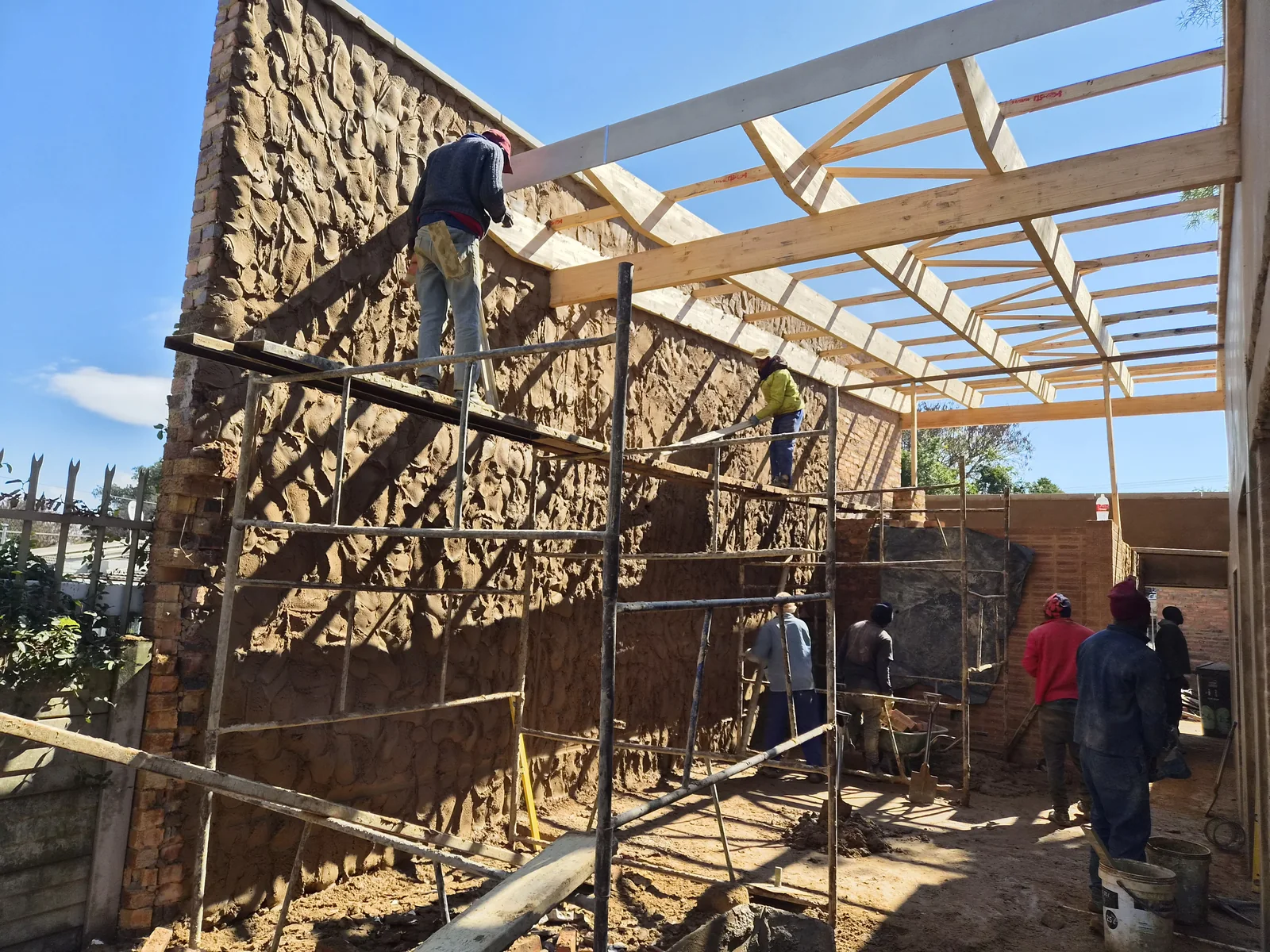
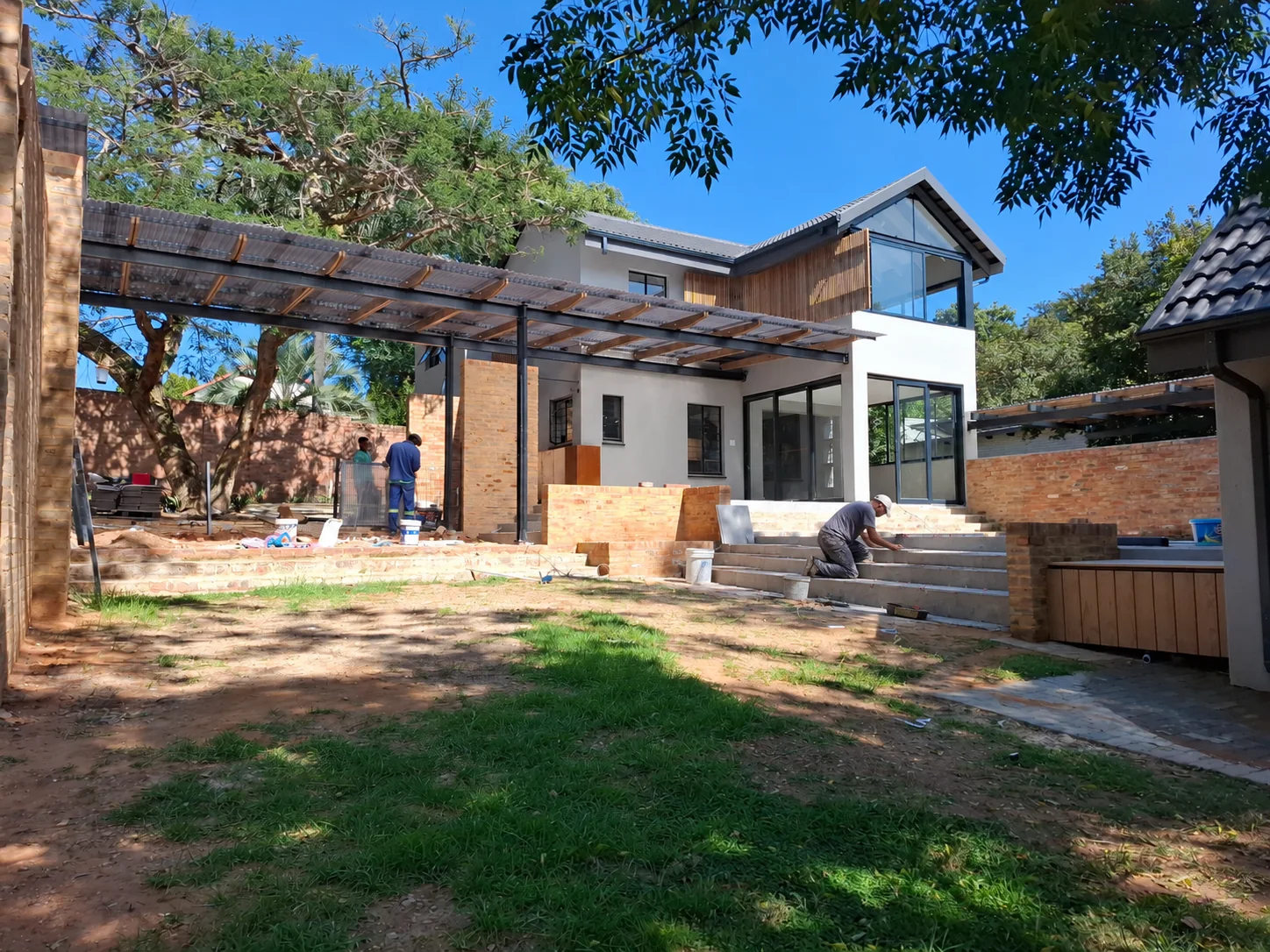
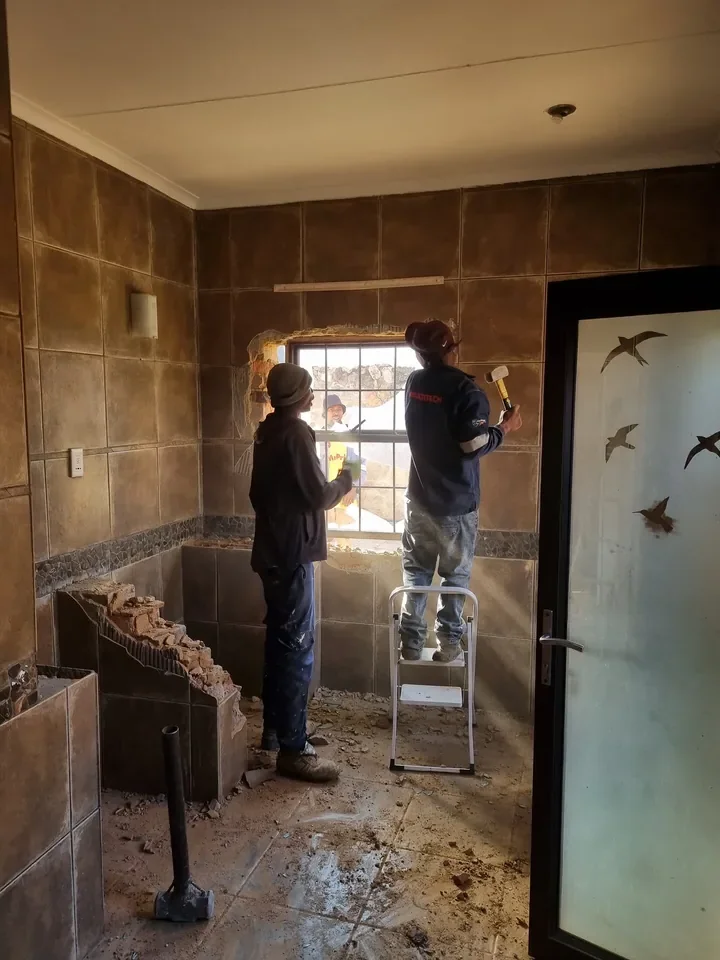
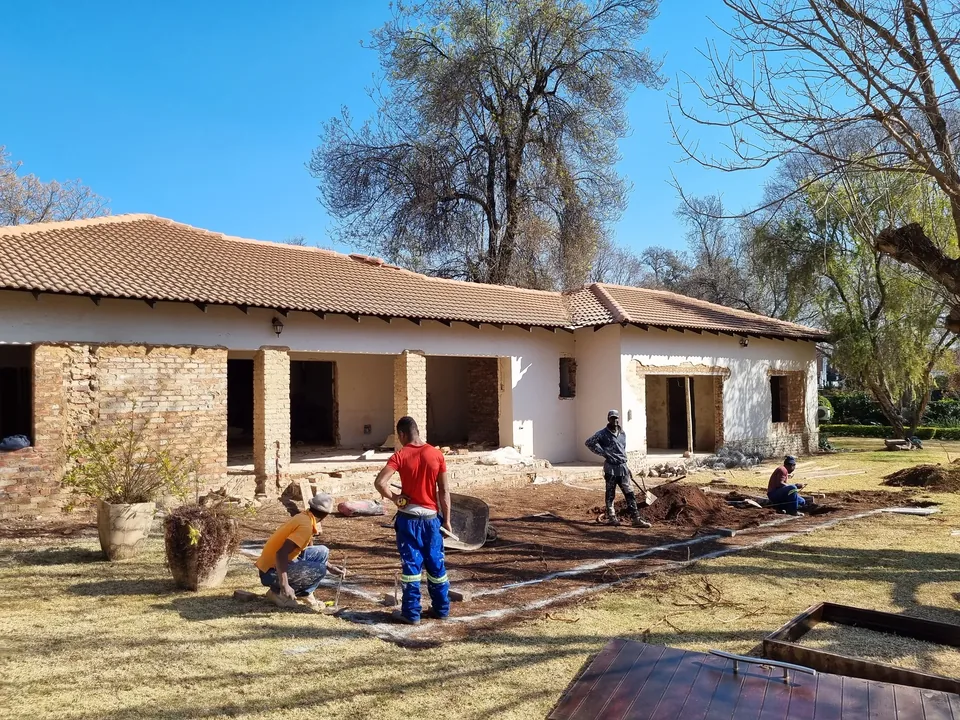
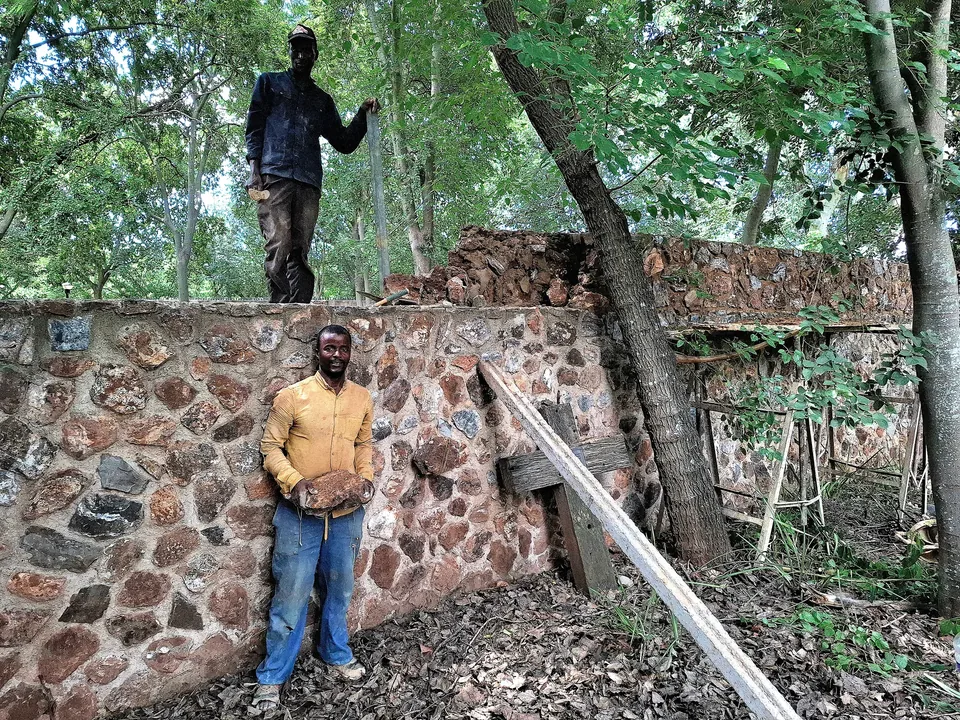
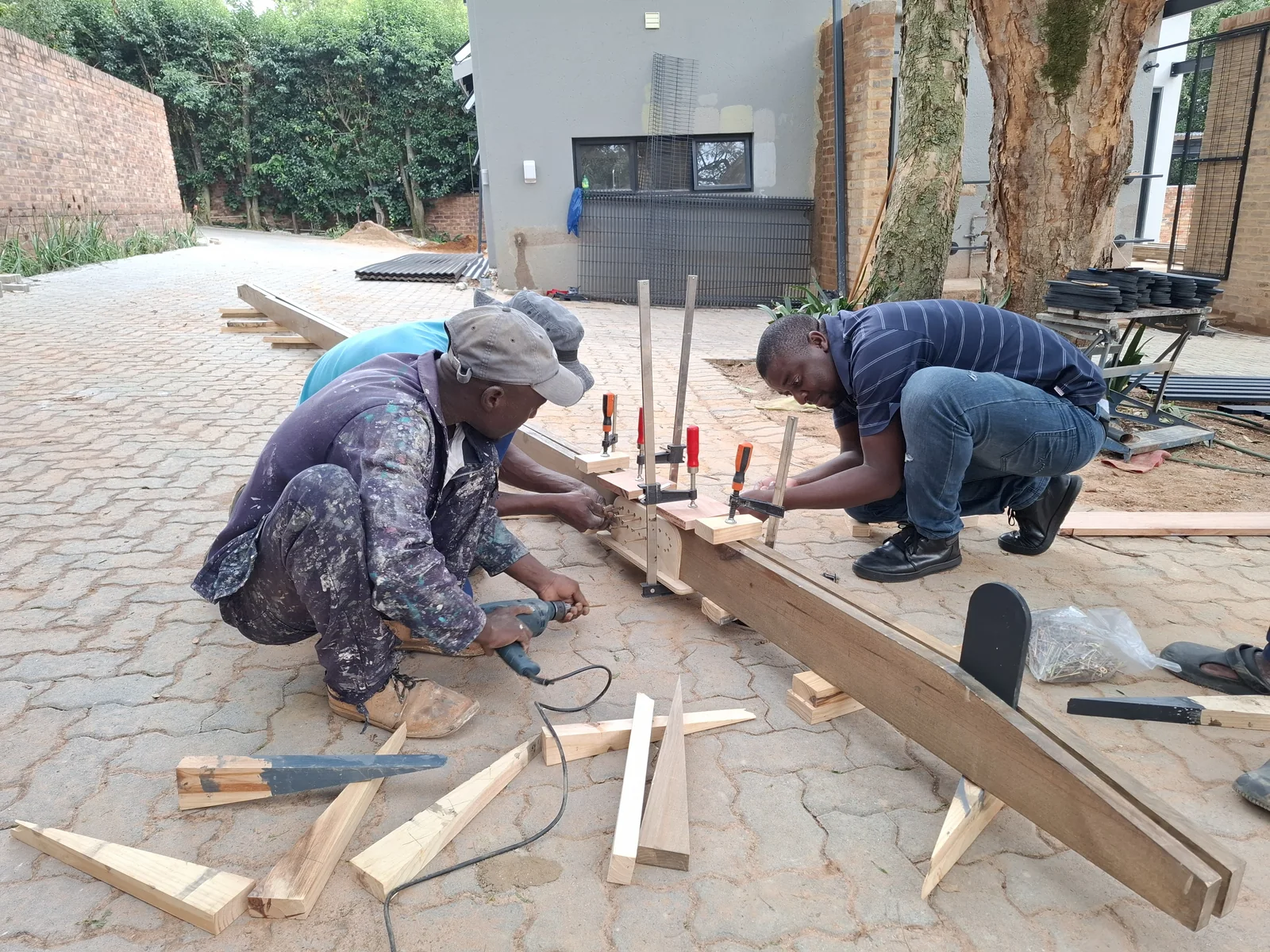
The tactile reality of making: material, structure, and human labour
Chapter 02·Honesty in Materials, Clarity in Form

The Making Manifesto

The word maak comes from Afrikaans: to manufacture, assemble, create, or bring into being. In English, to make is to produce something, often using a particular substance or material.

For us, architecture is still connected to the idea of the master builder — someone who brings together drawing, practical knowledge, materials, structure, and people to create something that can be used, inhabited, and experienced. The craft of making is one of the most rewarding acts in life. It is the physical manifestation of an idea brought to life.

"Because for the maker, being engaged in the act of making brings its own reward."
The Making Manifesto - 1
The Making Manifesto - 2

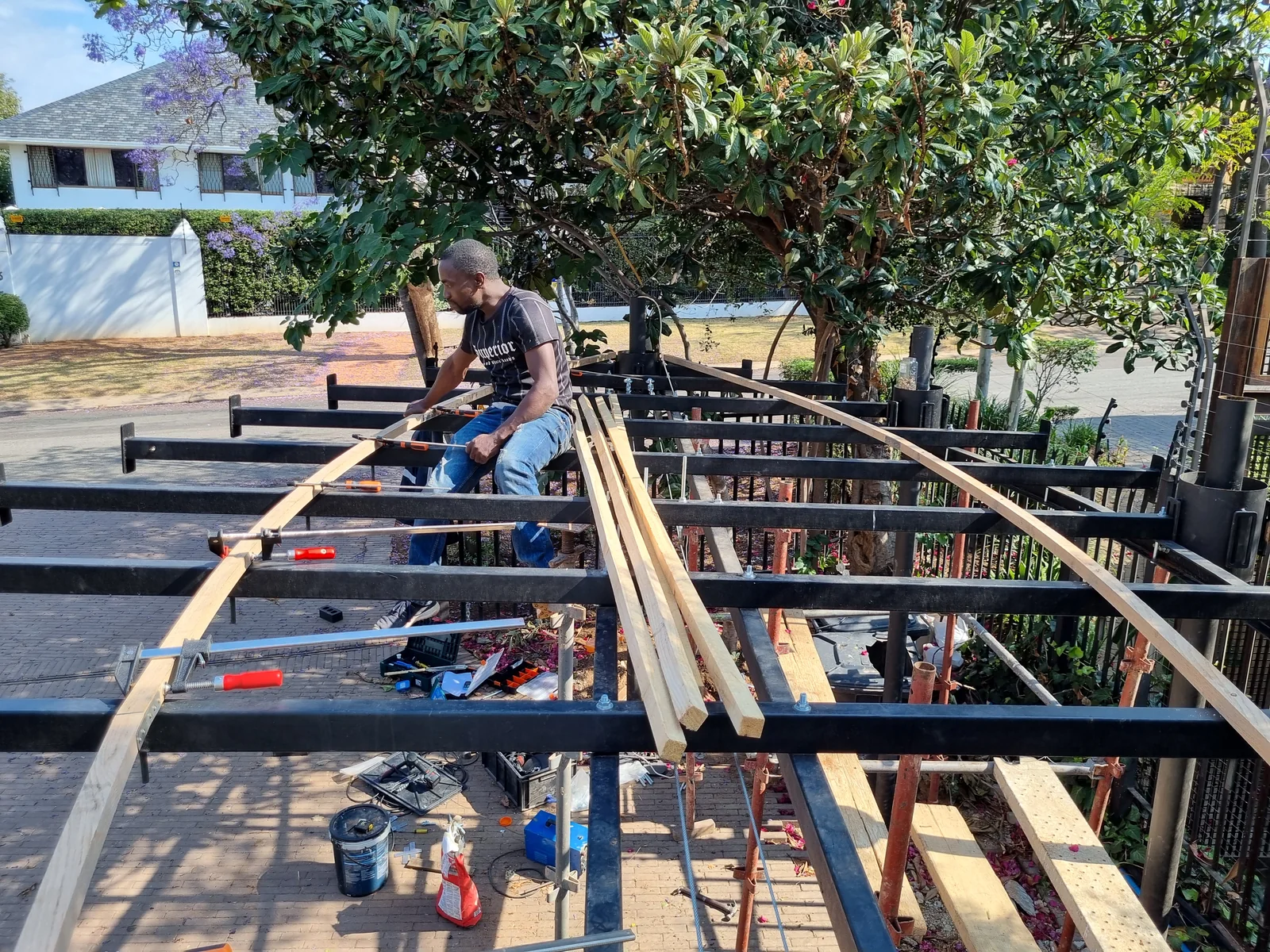
Honest geometries and unpretentious materials

Chapter 03·The Human Element & The Craft Collective

Many Hands Make Architecture

We are the makers.

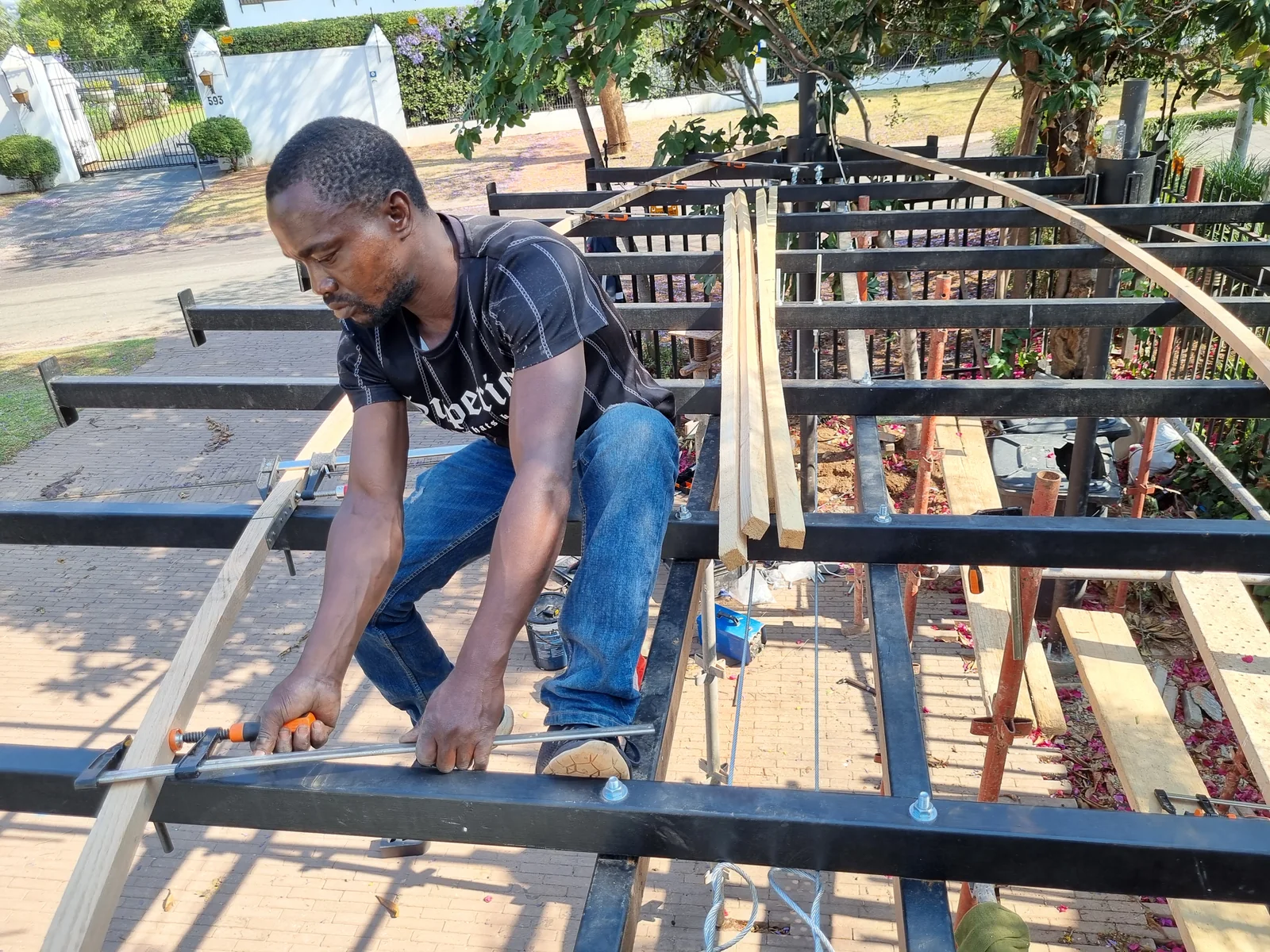
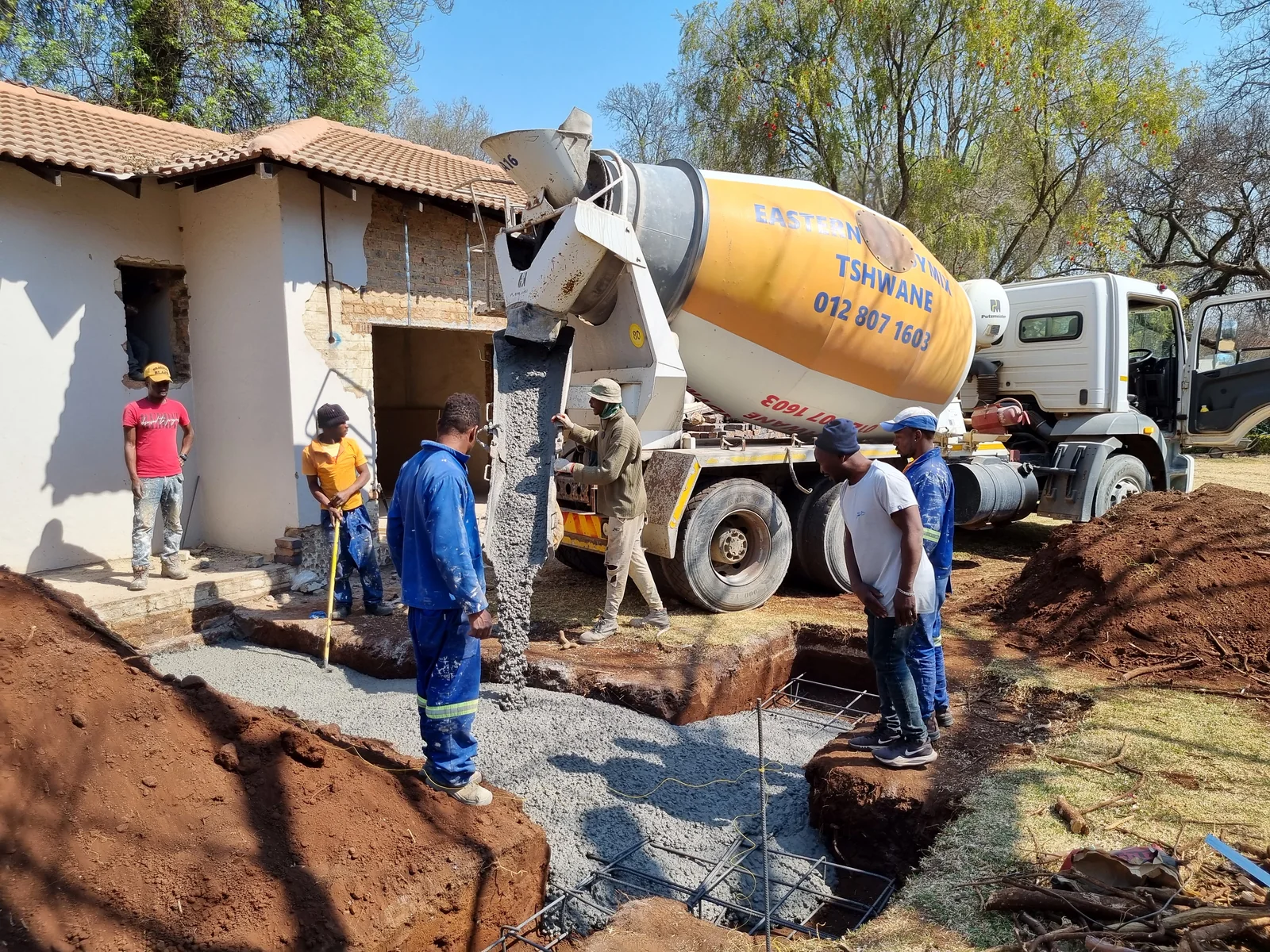
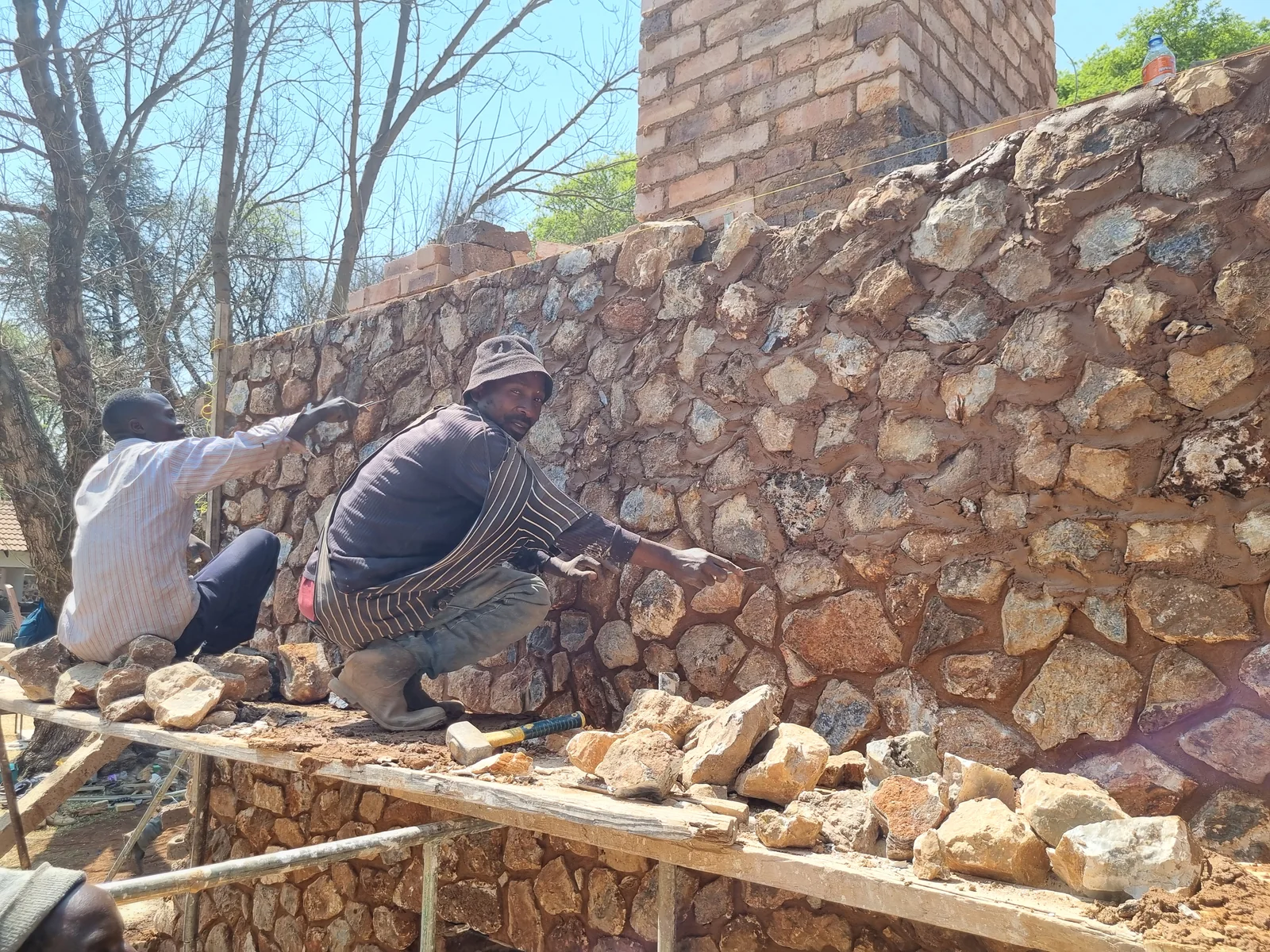
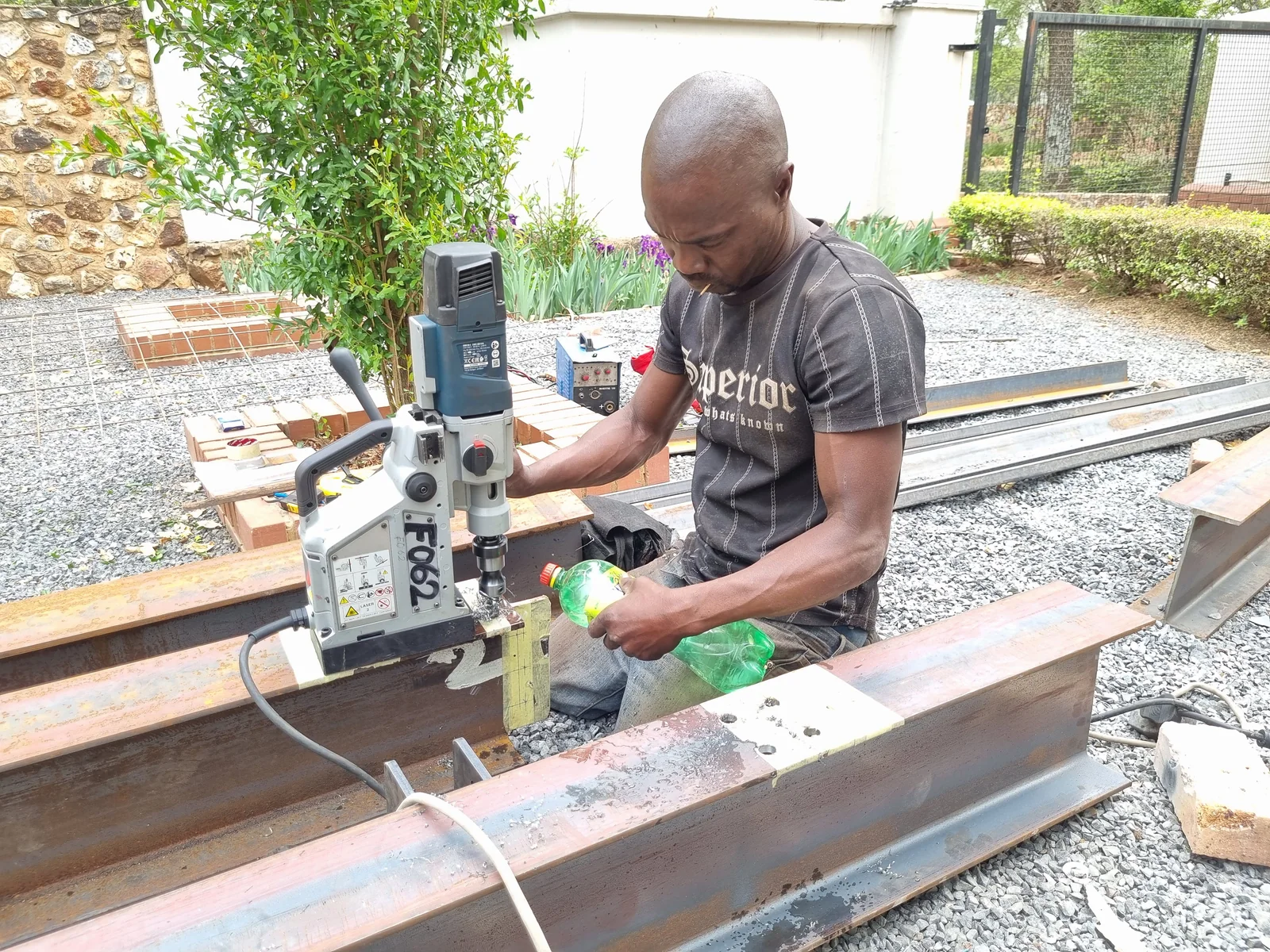
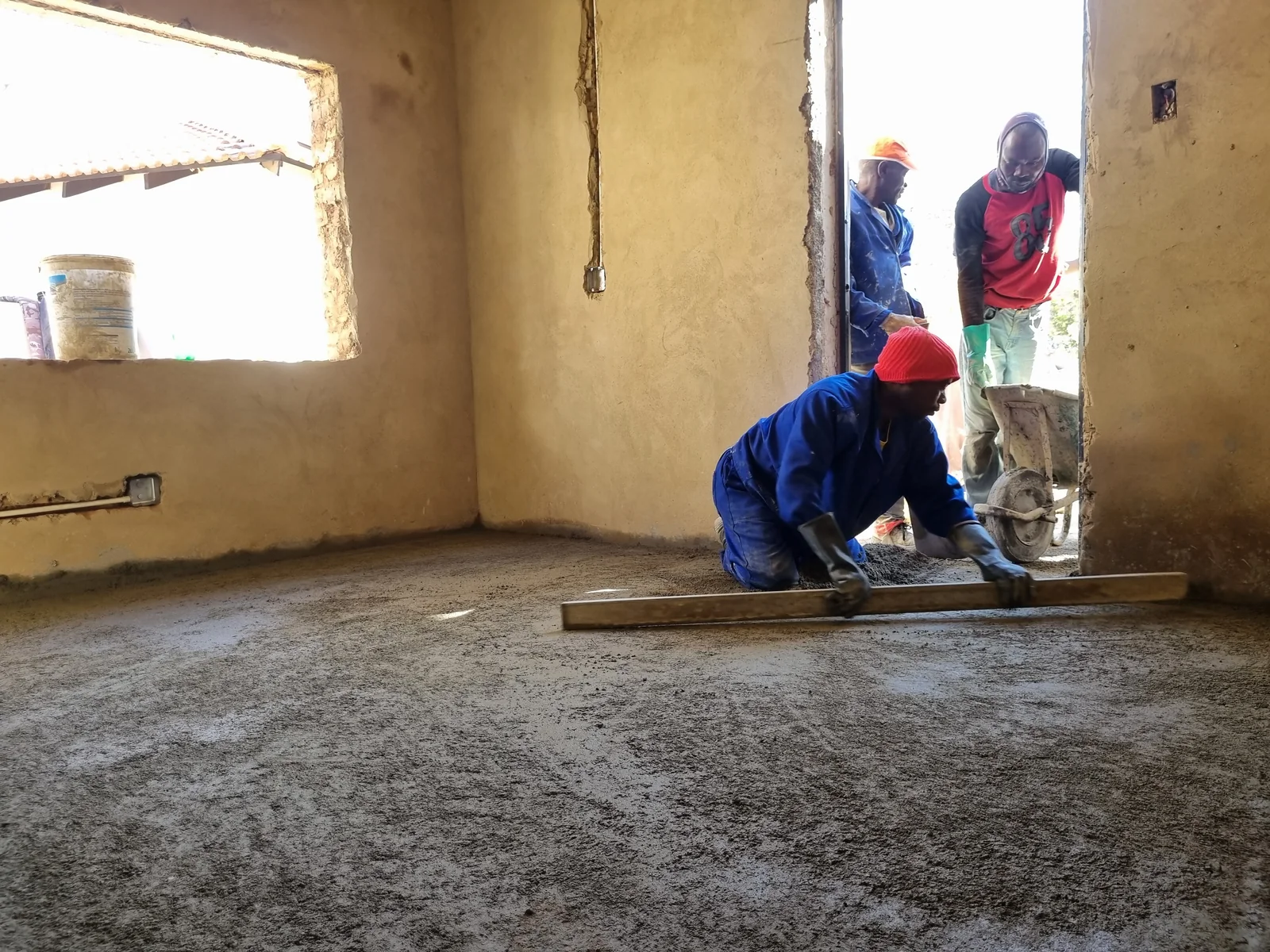
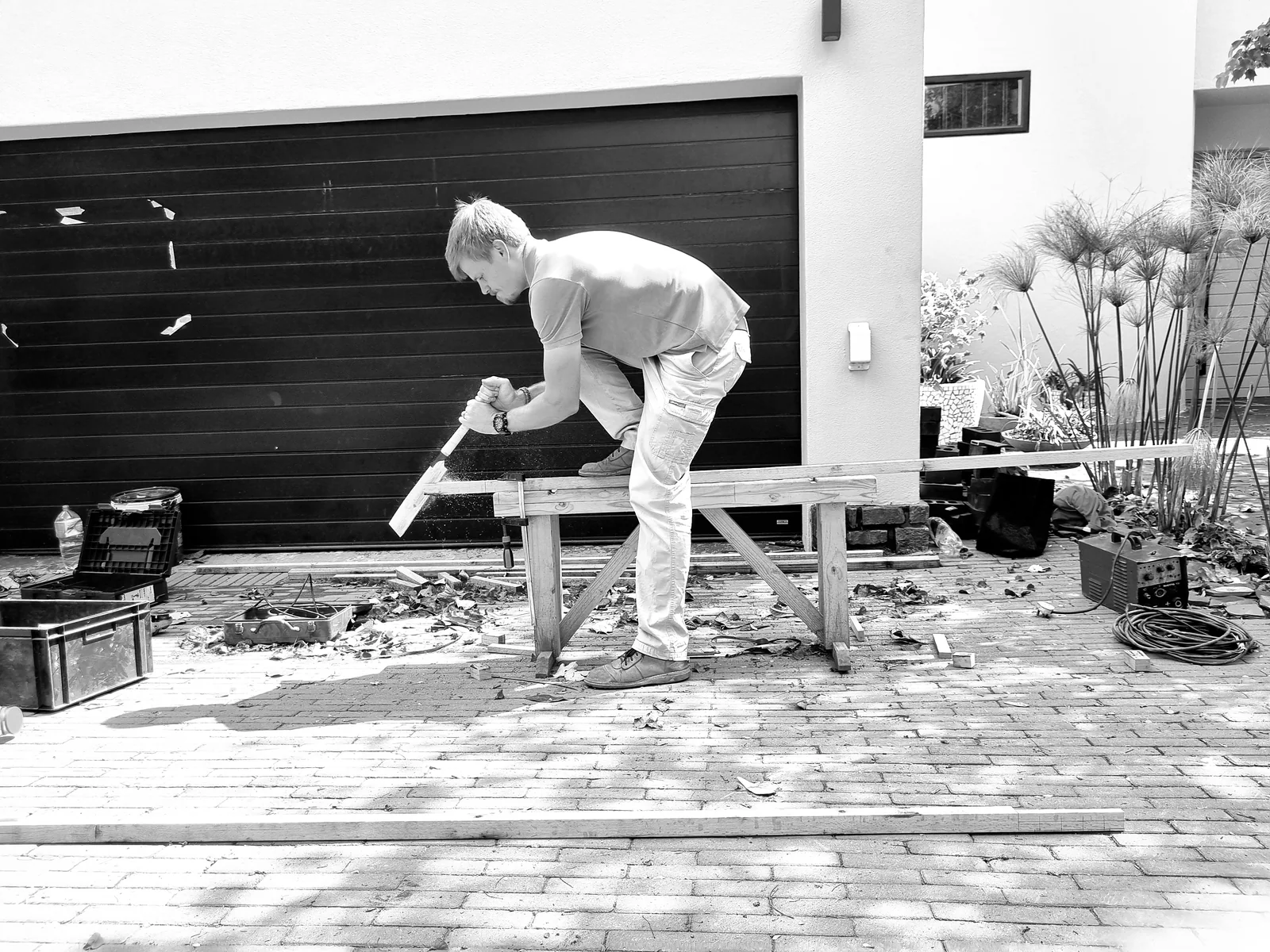
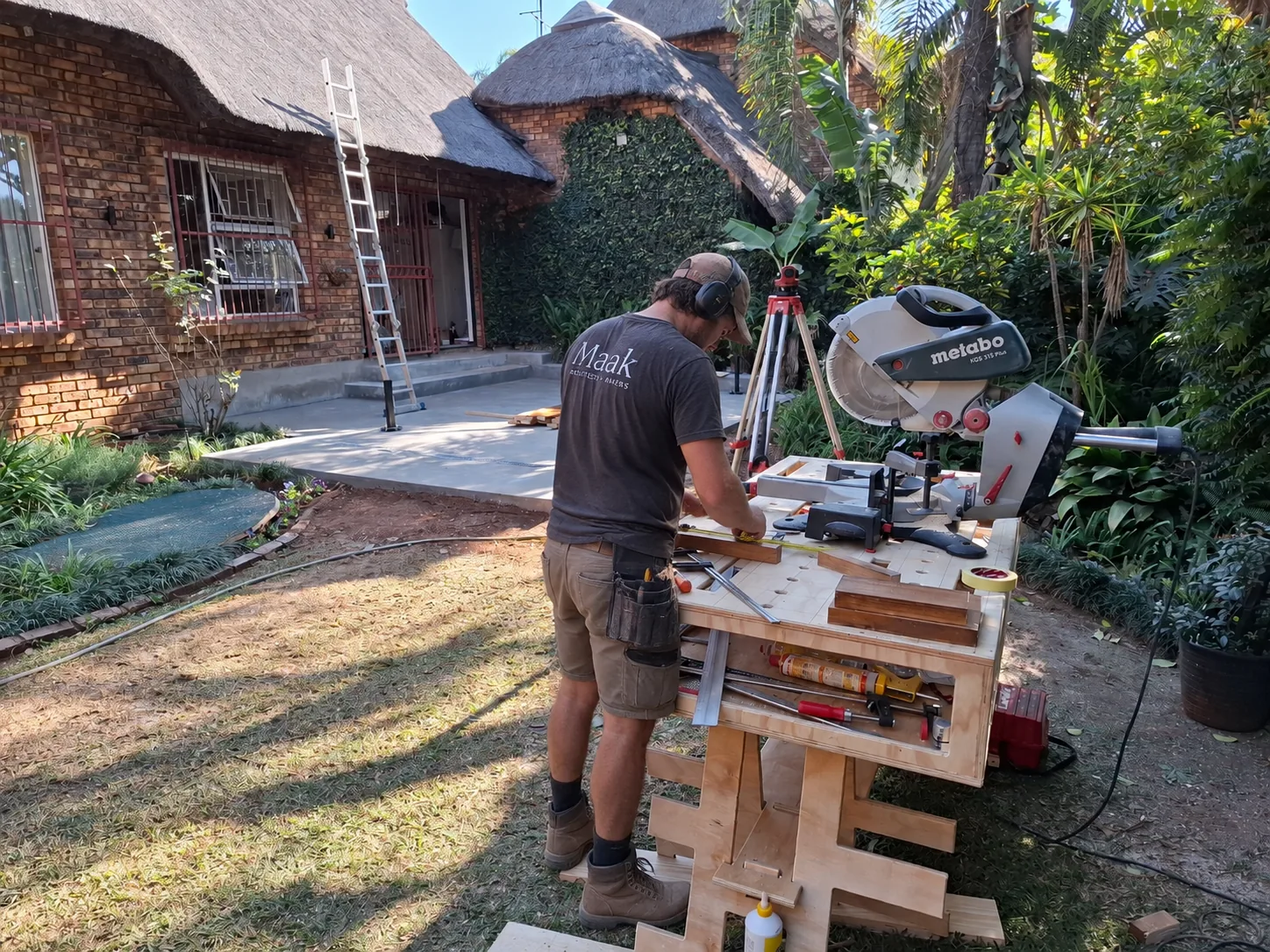
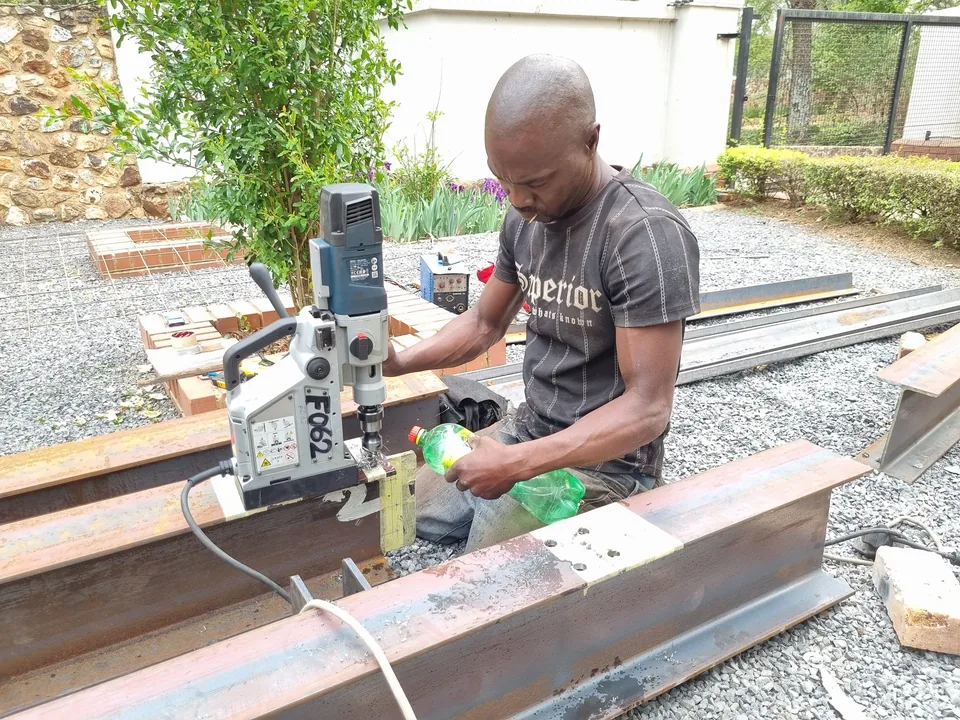
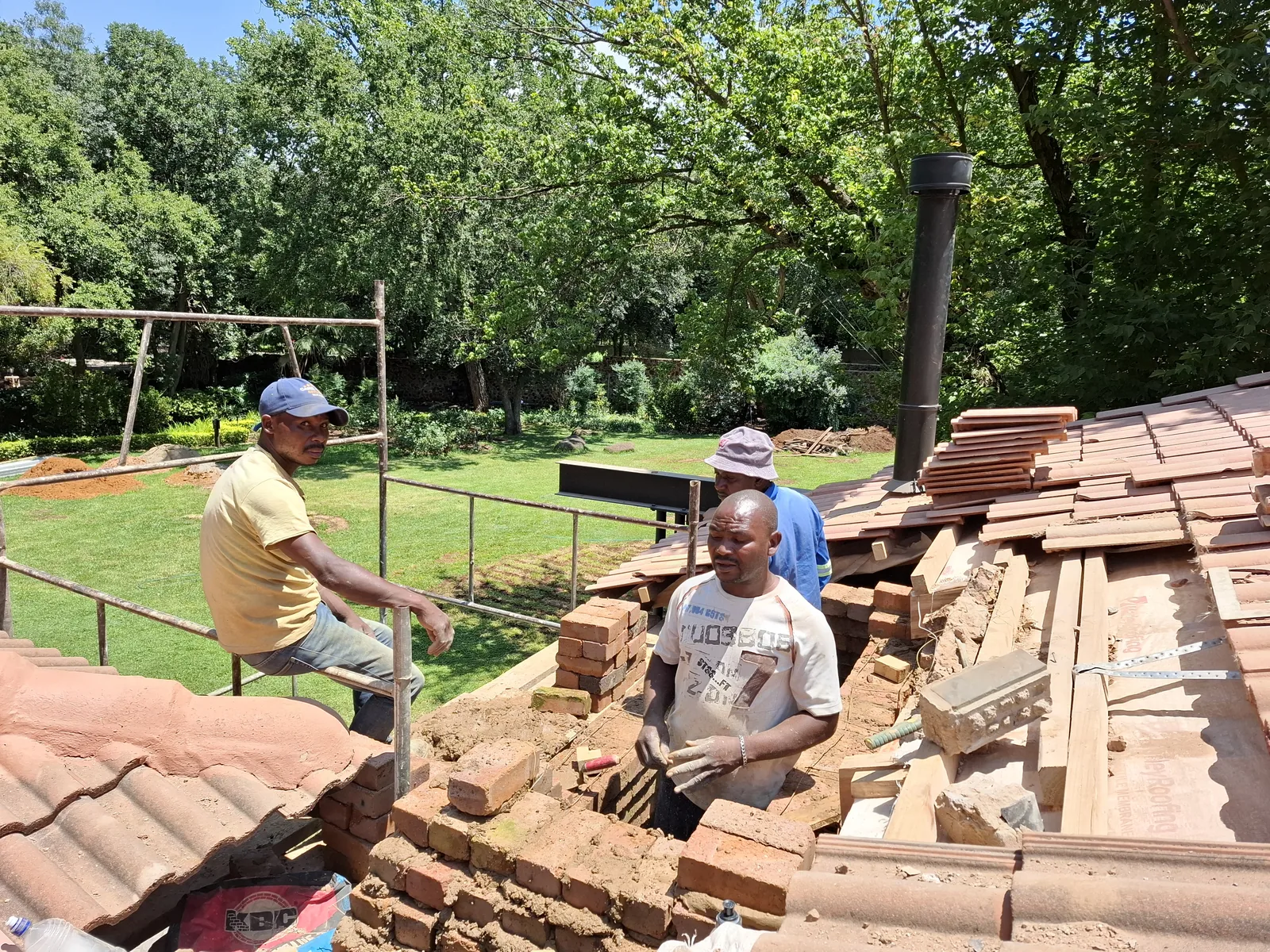
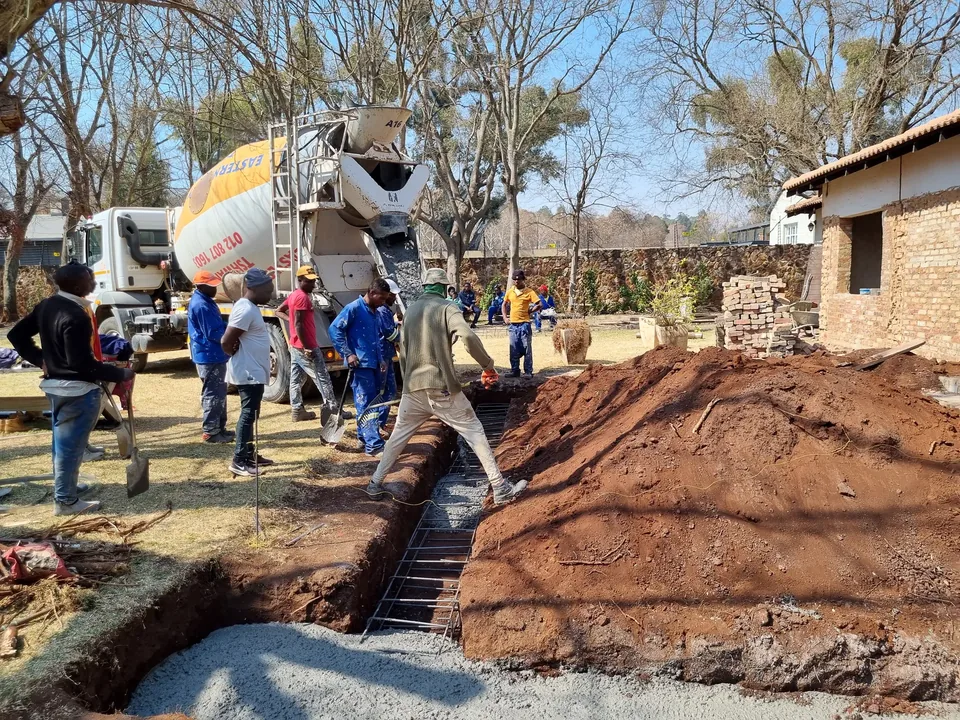
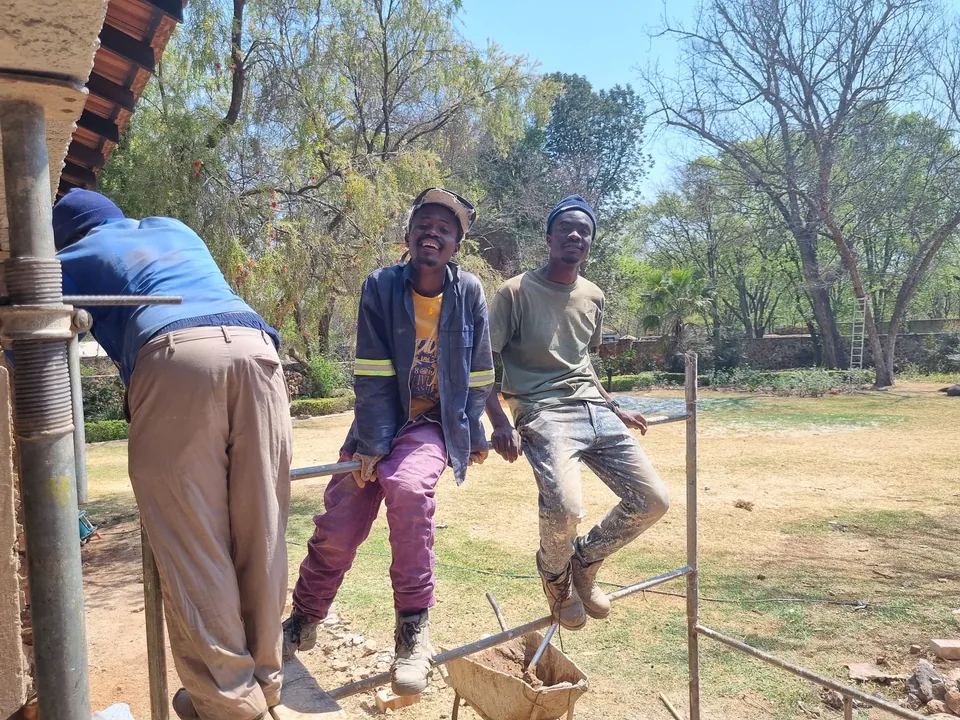
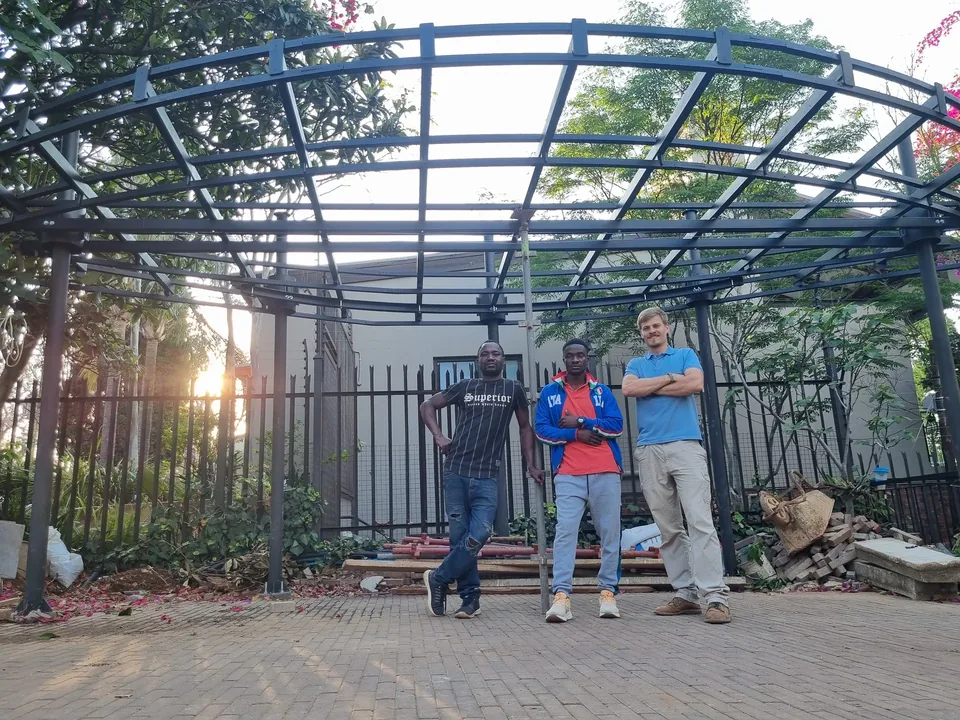
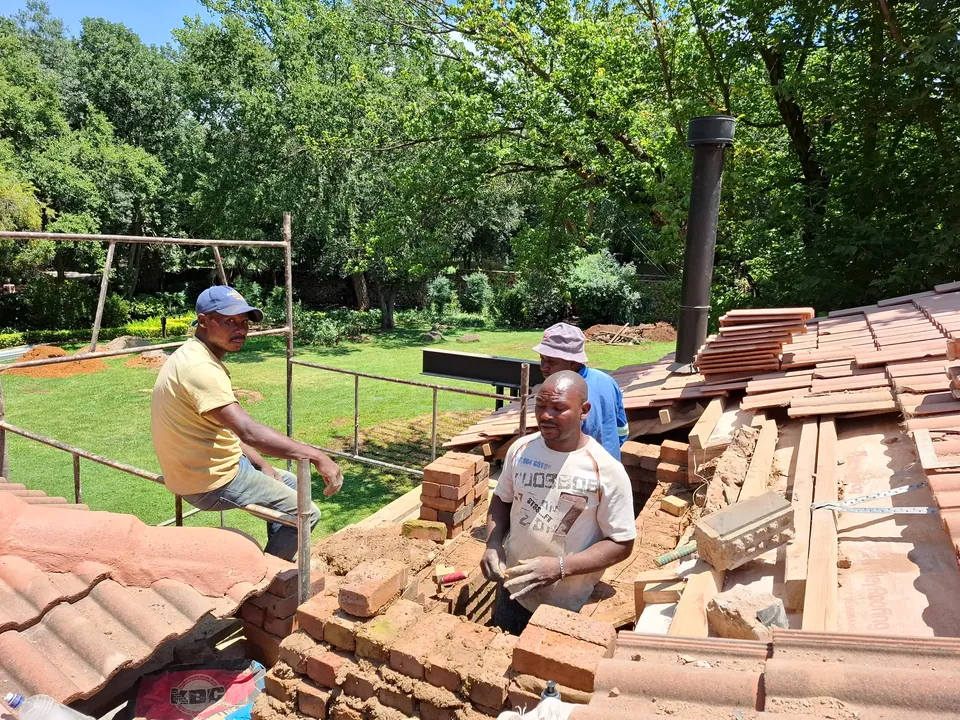
Making involves hands doing things: drawing, model building, carpentry, masonry, steelwork, painting, electrical work, digital work, and site work. Each of these acts requires a maker. Maak Architects + Makers exists to bring these makers together around one purpose: to make each project as well as possible. Our aim is to create meaningful spaces and to celebrate the often unseen art of making — the people, skills, decisions, and details behind the scenes that turn an idea into something real.

"Each of these acts requires a maker. We exist to bring these makers together."
Many Hands Make Architecture - Main
Many Hands Make Architecture - Detail 1
Many Hands Make Architecture - Detail 2

Artisanal timber craftsmanship and makers on site

Chapter 04·Bridging Architectural Vision & Construction Realities

Creative Ideas. Practical Making.

We believe the role of the architect is to connect a client’s vision with creative innovation and practicality.

A good idea must also be buildable, affordable, coordinated, and useful. It must consider budget, resourcefulness, construction method, material behaviour, and the realities of site from the beginning. That is why our process moves between sketching, modelling, detailing, costing, consultant coordination, and site problem-solving. The aim is not only to create beautiful spaces, but to make spaces that work — for the people who live in them and for the people who build them.

"The aim is not only to create beautiful spaces, but to make spaces that work."
Creative Ideas. Practical Making. - 1
Creative Ideas. Practical Making. - 2

Prototyping, detail drawings, and structural clarity

The Makers

Meet the people behind the making.

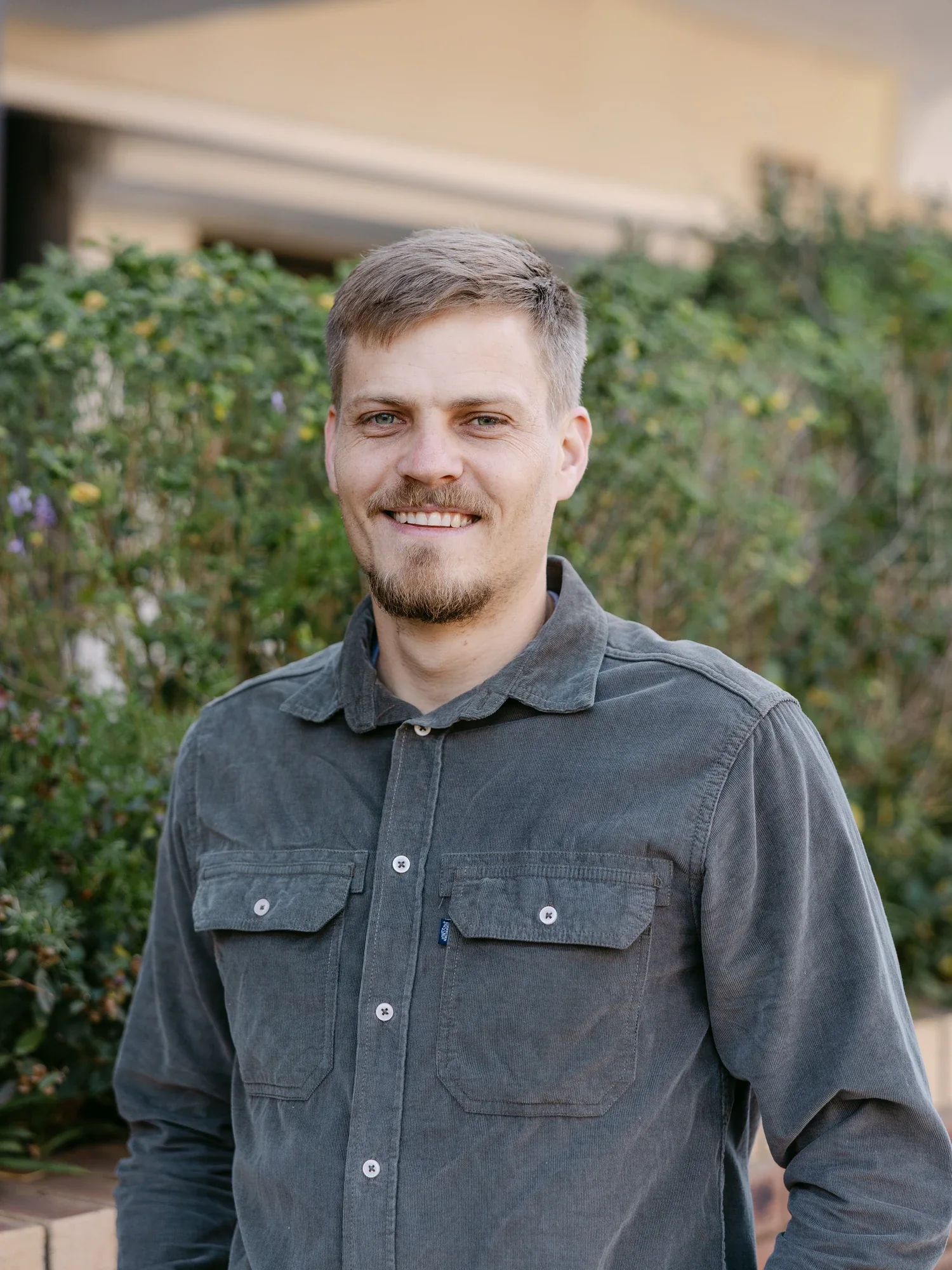
Christian Greyling
SACAP Professional Architect
Registration: PrArch67543388
Directors & Architects

Christian Greyling

Architect, Maker, Lecturer & Founder

Maak Architects + Makers is led by Christian Greyling — architect, maker, lecturer, and hands-on problem solver. Christian has always been drawn to creating. From building small survival shelters as a child, to designing and building his own container tiny home, his work has been shaped by a practical understanding of materials, construction, and site. He holds a Master’s degree in Architecture and is registered as a professional architect with SACAP. Before founding Maak Architects + Makers, he gained experience at an award-winning Pretoria-based architecture practice, working across both design and construction environments. He is also a part-time lecturer at the University of Pretoria, where he teaches construction and design. His approach brings together creative thinking, technical knowledge, and a hands-on making mindset — with the aim of creating spaces that are thoughtful, practical, and well made.

Qualifications & Accreditations

  • SACAP Professional Architect (PrArch67543388)
  • Certificate Serial Number: 67543388
  • Master of Architecture (M.Arch Prof)
  • Lecturer in Construction & Design, University of Pretoria
  • Hands-on Maker & Timber Craftsman
Makers & Artisans

The Collective

We work alongside independent carpenters, bricklayers, stonemasons, steel fabricators, metalworkers, electricians, painters and tilers across Gauteng and beyond.

Carpenters & joiners
Timber Craft & Joinery

Carpenters & joiners

Custom joinery, exposed structural timber, on-site woodwork

Collaborating on bespoke timber structures and architectural joinery.

Metal Fabricators
Architectural Metalwork

Metal Fabricators

Structural steel, steel furniture, architectural lighting

Specialised custom steel structures, and design and supply of custom steel components to compliment the inhabited space.

Skilled bricklayers
Masonry & Structural Brickwork

Skilled bricklayers

Custom brickwork, brick screens, custom paving

Specialised brickwork, chimneys, walls and vaults. If it can be drawn it can be built.

THE MAKERS

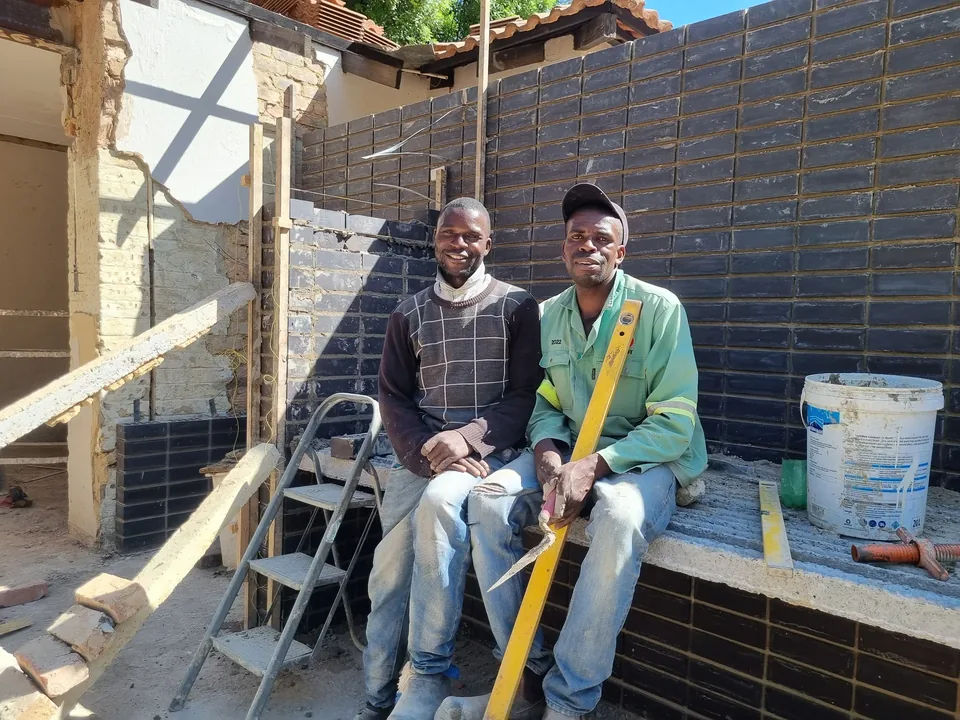
Hands, tools, and the rhythm of craftsmanship

Workshop Maker 1
Workshop Maker 2
Workshop Maker 3
Workshop Maker 4
Workshop Maker 5
Workshop Maker 6
Workshop Maker 7
Workshop Maker 8

How We Make.

From inception and concept sketches to council approval and on site making. Explore the 6-stage architectural process.